
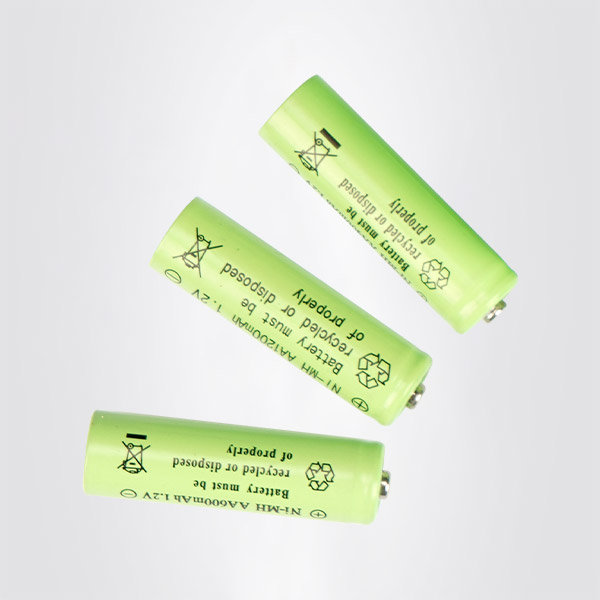
Ni-MH AA600mAh 1.2V turnover time:2026-07-27 number of clicks:880次
1.Battery type and category(e.g. portable, industrial, electric vehicle, LMT, or SLI battery).
Portable
2. Manufacturer's name and contact details
Manufacturer / Supplier:HUIXIAN SUNRISE POWER SOURCE CO.,LTD.
Full address:WEST SUOKELOU HUQIAO HUIXIAN HENAN,CHINA
Phone number:15736948889
Email:xinzhou@xuridianyuan.com
Website:www.xuridy.com
3. Battery model and serial number
Unique identifiers for traceability.
Ni-MH
4. Lifetime of battery
2 years from production date (see battery)
5. Nominal capacity and voltage
Electrical specifications of the battery.
AA600mAh 1,2V 14.2g
6. Chemical composition
Including lithium, nickel, cobalt, lead, etc
KOH, NiOH, Water, FeO. LaNi5, NaOH, Graphite powder,
Cadmium (Cd) content: < 0.002% / Lead (Pb) content: < 0.004%
7. Carbon footprint information
Required for EV, LMT, and industrial batteries.
Not applicable
8. Content of critical raw materials
Such as cobalt, lithium, nickel, and natural graphite.
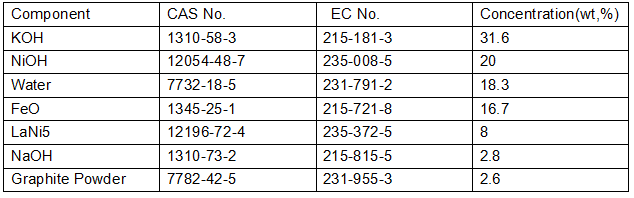
9.Suitable extinguishing media: Water spray, CO2, dry chemical, foam
10.Recycled content
Percentage of recycled materials used.
No recycled materials
11.Compliance and conformity information
CE marking, declarations of conformity, and applicable standards
(EU)2023/1542
MSDS
IEC 62133-1
CE-EMC
12.Information on Prevention and Management of Waste Rechargeable Ni-MH Batteries
In accordance with the EU Battery Directive and Waste Framework Directive, battery suppliers shall provide the following information to users and distributors:
(a) Waste Prevention Tips
Use only manufacturer-matched chargers; avoid extreme temperature and humid storage.
Remove batteries from long-idle equipment to prevent over-discharge and swelling.
Hand over expired batteries to designated recycling points for metal recovery; intact cells can be reused for low-power storage.
(b) Separate Collection Rules (Article 64)
Do not discard spent Ni-MH batteries with domestic garbage or litter them. Classified recycling recovers nickel, rare earth metals and steel to meet EU environmental standards.
(c) Recycling Channels & Treatment
Waste batteries can be returned to retail collection bins, municipal recycling stations and official battery recovery sites.
Collected batteries will be sorted, neutralized and recycled. Functional cells get secondary use; scrapped batteries undergo metallurgical raw material extraction.
(d) Waste Battery Safety Operation
Keep waste batteries away from metal items to avoid short circuit.
Seal leaking, deformed or overheated batteries with gloves in plastic bags.
Never incinerate batteries to prevent explosion and toxic gas release. Keep batteries out of children’s reach; seek emergency treatment if swallowed.
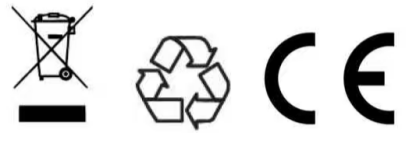
(e) Marking Explanation (Article 13)
1. Crossed wheeled bin: Must be recycled separately, not mixed with household waste.
2. CE mark: Complies with EU health, safety and environmental regulations.
3. Child warning symbol: Prevent accidental swallowing by kids.
4. Special charger mark: Only matched chargers are allowed for charging.
(f) Environmental & Health Hazards
Ni-MH batteries contain nickel, rare earth and alkaline electrolyte. Random disposal causes soil and water heavy metal pollution.
Swallowing batteries leads to internal burns; leaking liquid may cause chemical injury. Standard recycling reduces pollution and recycles reusable resources.
This document complies with EU waste laws to guide standardized battery use and disposal.
13. Warnings and hazard symbols
Including environmental and safety-related icons.
Previous: Ni-MH AA300mAh 1.2V Rechargeable Battery
Next: Ni-MH AA400mAh 1.2V (LX)
 Yugong net anbei 41078202000175